
SPEAKING
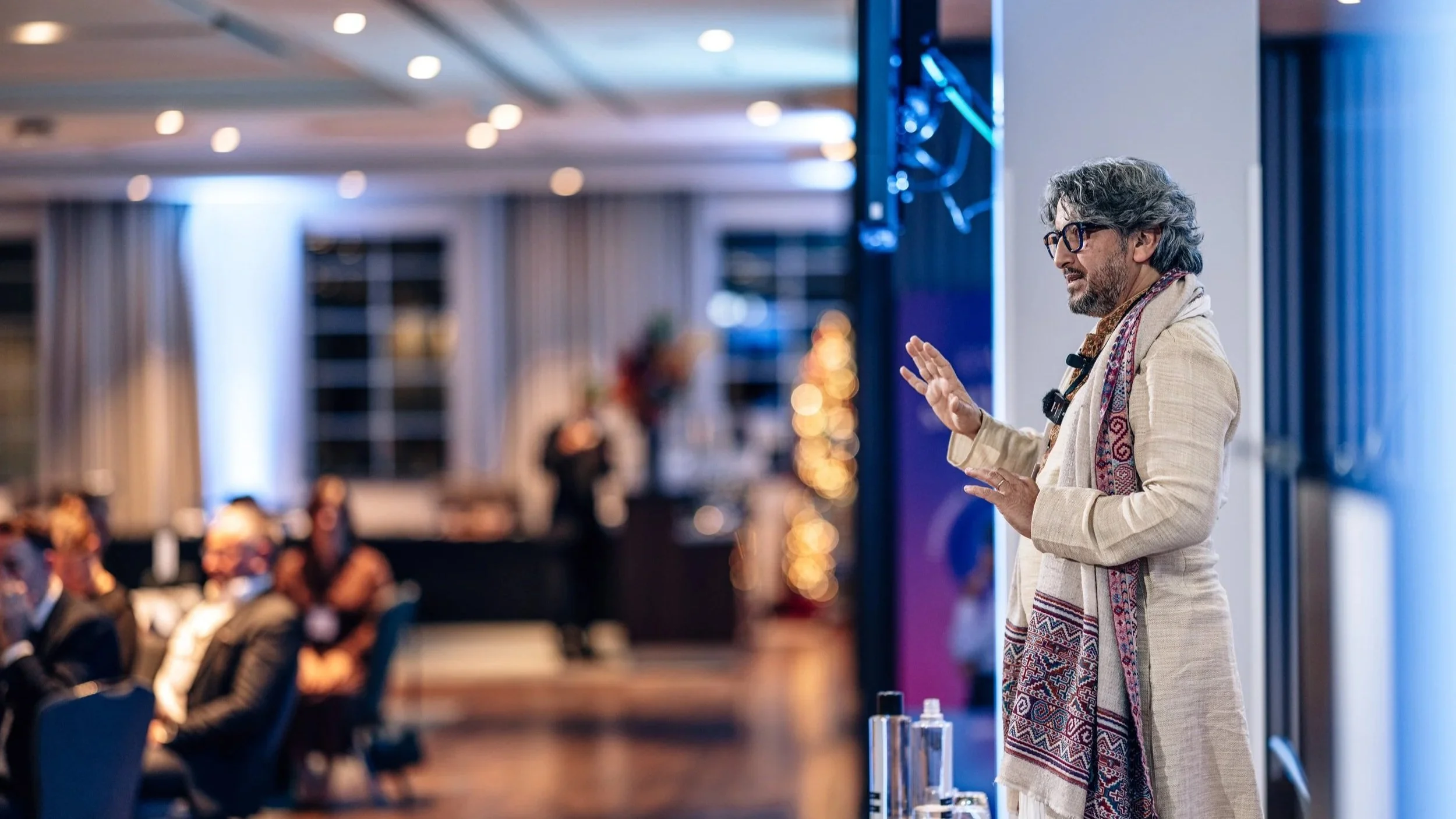
Sanjeev does not give motivational talks. What he offers is something rarer: a room full of people who leave thinking differently about themselves. Not because he told them what to think, but because something in what he said created a shift in how they were seeing. That shift tends to be quiet. And it tends to last.
He has spoken to medical professionals and scientists, to UN agencies and Olympic teams, to corporate leaders navigating burnout and organisations trying to understand why intelligent people keep making the same expensive mistakes.
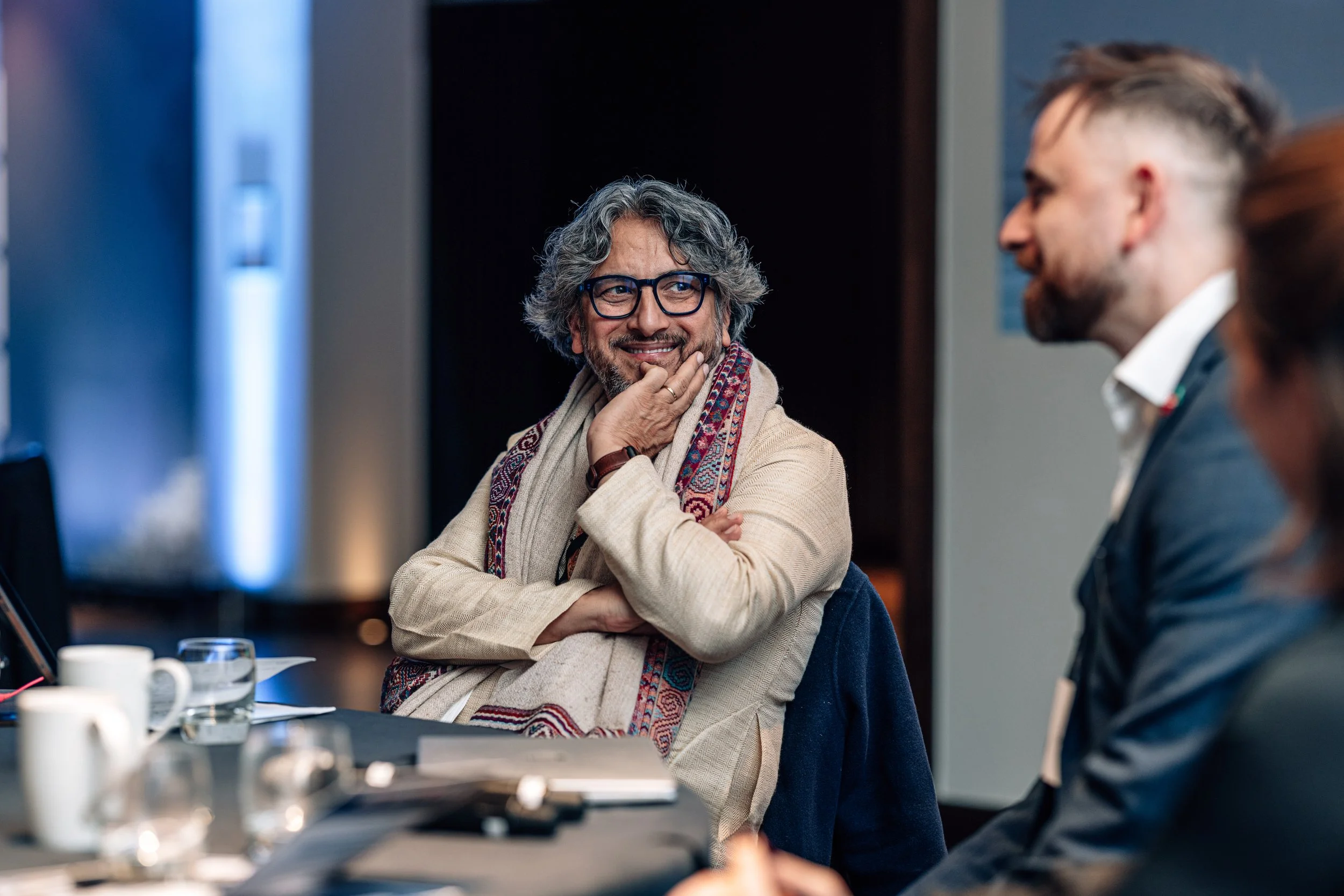

Across all of these contexts, the question at the centre of his work is the same: what is actually happening beneath the surface of how we function, and what becomes possible when we look at that honestly?
What a talk with Sanjeev looks like
He speaks for between 45 and 90 minutes, with or without a facilitated conversation after. The format that works best is one where the audience has time to sit with what has been said rather than immediately moving to the next agenda item. The work happens in the pause.
Topics he returns to most often:
Vision versus view - most leaders have a view of their organisation, their market, their team. Vision is often neglegted. The difference is not ambition. It is the quality of inner awareness from which the seeing happens. This talk explores what genuine vision requires, and why it cannot be trained through conventional leadership development.
The decision-making body - the best decisions under high pressure are rarely made by the thinking mind alone. This talk explores the role of somatic intelligence, of the body's signal system, in the quality of executive decision-making and offers a practical framework for developing access to it.
Why intelligent people suffer unnecessarily - and what the oldest inner science in human history understood about it that modern psychology is only now catching up with.
Who he speaks to
Sanjeev speaks to audiences where the questions are real. Ideas festivals. Healthcare and clinical settings. Leadership programmes. Universities. Gatherings of people at significant transitions in their lives or careers. He speaks to audiences who are ready to look.